Nutrient tank with level, temperature, EC/CF, and pH measurement points.
Hydroponic system design
Gully, bucket, DWC, pot, reservoir, dosing, sensors, and ESP32 control as one build.
This page shows the kind of grow-system design ElectronicsTech can build around: practical hydroponic gullies, bucket systems, Deep Water Culture, pot-based grow areas, nutrient control, pump timing, sensor placement, and clear reporting into local dashboards.
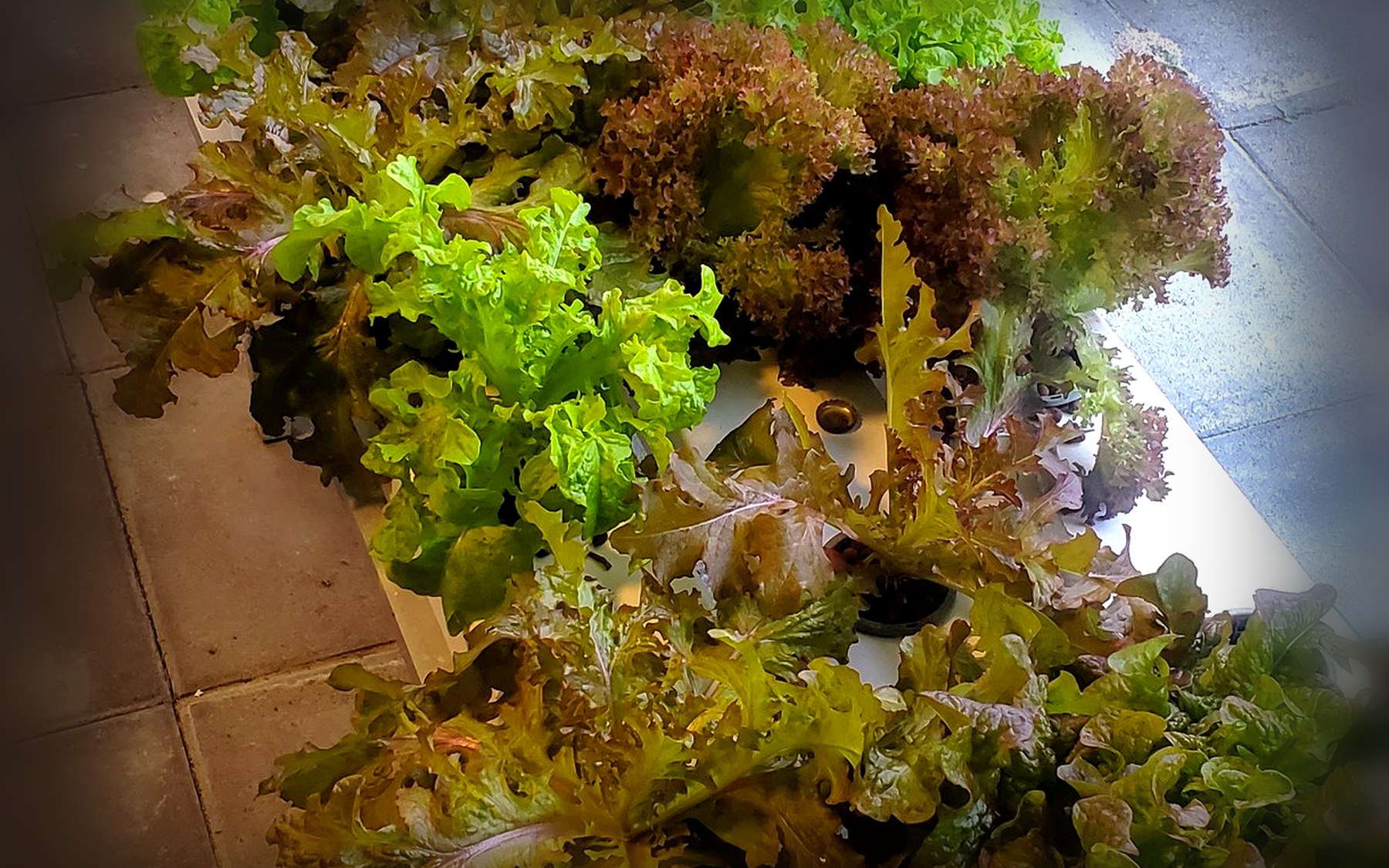
System flow
From reservoir to plants and back to data.
Feed and circulation control with timed runs, manual override, and safety logic.
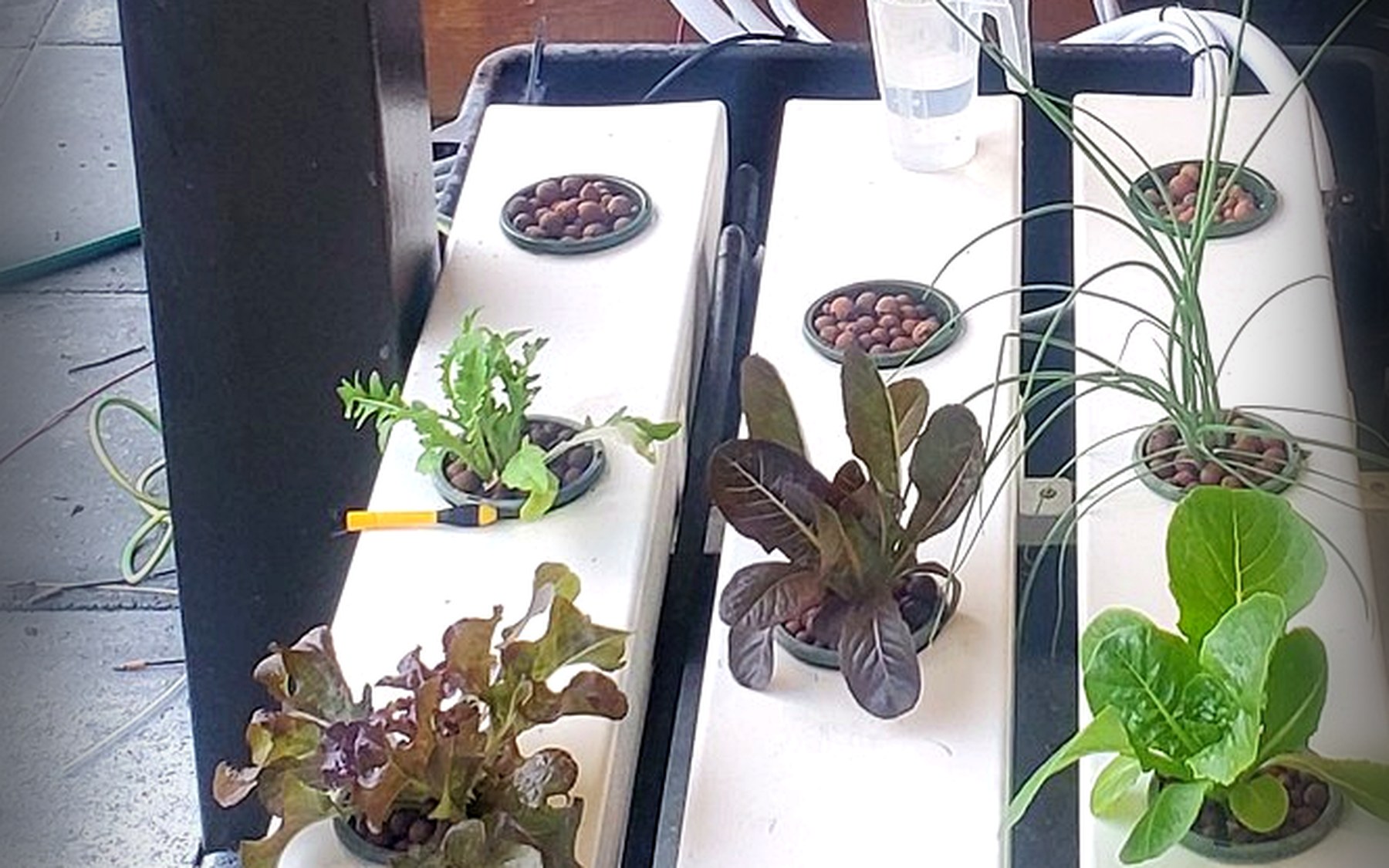
Grow channels, DWC buckets, pot zones, return flow, and access for cleaning or plant changes.
CF and pH dosing pumps with counters, calibration, and controlled correction cycles.
Local firmware, display UI, MQTT/Home Assistant reporting, alarms, and history.
Controller details
ESP32 firmware matched to the real plumbing.
The controller side should follow the physical system, not fight it. Pump timing, dosing limits, calibration screens, daily counters, and alarms should match where the reservoir, gullies, buckets, drain return, and sensors actually sit.
- EC/CF and pH calibration workflow
- Temperature compensation and reservoir monitoring
- Dosing counters and pump run limits
- Manual override for filling, draining, and testing pumps
- MQTT/Home Assistant entities for status and alarms
Build checklist
What gets planned before wiring starts.
Plumbing
Reservoir size, gully fall, DWC bucket layout, return path, pump access, cleaning access, overflow risk, and pipe routing.
Electronics
ESP32 board choice, relay or MOSFET outputs, pump isolation, sensor inputs, display wiring, and enclosure space.
Software
Calibration, saved settings, sensor filtering, local fail states, MQTT messages, Home Assistant entities, and diagnostics.
Start a grow-system build
Send the grow layout and controller goal.
Include reservoir size, number of gullies, DWC buckets, or pots, pump type, sensors, dosing pumps, and whether Home Assistant reporting or SMS alerts are needed.